
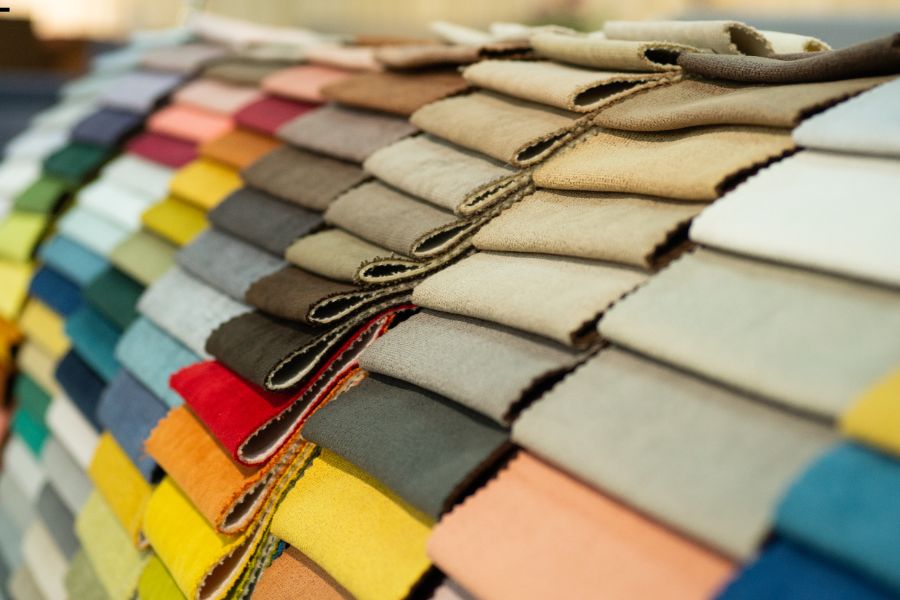
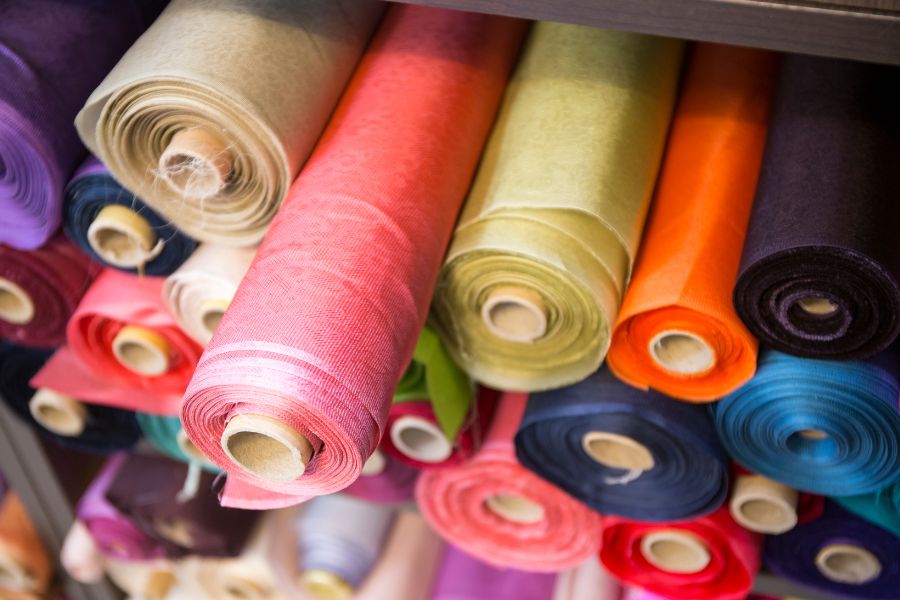
Fabric colour is one of the most influential factors in the textile and fashion business. Besides setting the look of the fabric, it also affects the decisions of buyers, brand identity, and the compatibility of the product with the user. If you happen to be a fashion designer, a garment manufacturer, or a fabric wholesaler, then it is indispensable for you to choose the right fabric colour to get the results you want. What Is Fabric Colour? Fabric colour is the indication that a material has been tinted or had a shade or tone put on it by finishing, dyeing, or printing. It can be any colour from soft pastels to loud and bright hues, depending on fabric, trends, and application requirements. Why Color Choice Matters in the Textile Industry The right textile colours can elevate the product’s value and make it more attractive to customers. It is an amazing tool for brands to gain recognition, keep up with the seasonal trends, and satisfy the demand of the market. As an example, neutral colours are mostly selected for uniforms and home textiles, while light colours are fashionable in fashion and festive wear. Key Factors That Influence Fabric Appearance Several factors influence how a fabric colour looks and performs: Popular Fabric Colour Trends Textile trends are different each season. Some of the trendy items are pieces in earthy tones, eco-friendly natural shades, and very light pastel colours, while classical colours like black, white, navy blue, and beige are still the most used ones by bulk fabric buyers. How to Select the Right Colours for Your Business In case you are choosing a colour for a wholesale or manufacturing business, it would be a good idea to first think of the target market, the end use, and the maintenance. Additionally, shade consistency and colour durability are especially important for large orders. Fabric Colour for Indoor, Outdoor & Sustainable Use Choosing fabric colours is also a matter of the fabric’s final use. Fabrics for inside use are generally more comfortable and visually more harmonious, hence neutral and pastel colours are most often chosen. Fabrics for outside need to have colours that are resistant to fading and stabilised under UV to be able to resist the sun and the weather. For environmentally friendly fabrics, naturally coloured and low-impact dyed fabrics are the most suitable as they retain the quality and durability while being eco-friendly. Colour Solutions by Gaurika Fabrics Gaurika Fabrics offers you a chance of selecting your fabric shade from a large range of pure cotton, polyester, and blended fabrics. We constantly strive to maintain uniform dyeing quality, colour fastness, and trend, consistent shades to meet the requirements of fashion brands, manufacturers, and wholesalers. Conclusion The fabric colour is not only a visual aspect, but it is a gauge of the quality, the functionality, and the brand value. By implementing the correct colours and reliable fabric suppliers, businesses can achieve better customer satisfaction and have long-term success. If you are looking for high-quality fabrics in a wide colour range, our team at Gaurika Fabrics is always here to help you with expert guidance and bulk sourcing solutions.
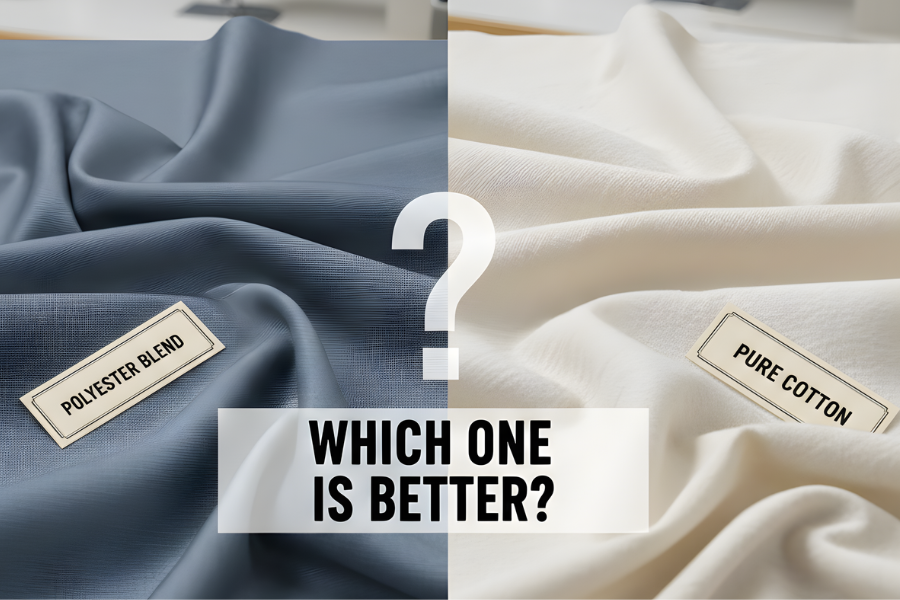
Polyester Blend Fabric Vs Pure Cotton Fabric: Which One Is Better?
Indeed, choosing the right fabric is a major decision, whether you are buying a new outfit, upholstering a chair, or redecorating your living space. This is why Polyester Blend Fabric Vs Pure Cotton Fabric – Which Is Better? remains one of the most commonly asked questions, as both options come with their own set of advantages and limitations. To make a wise and confident choice, it is important to compare polyester blend fabric and pure cotton fabric based on comfort, durability, maintenance, and cost. This guide is designed to help you clearly understand which fabric performs better for different needs and applications. Understanding Polyester Blend Fabric Blend fabric is a material that includes polyester fibers combined with one or more natural fibers like cotton, viscose, or linen. The main reasons for blending are to extend the product’s life, make the cleaning easier, and generally to raise the product’s performance.Most of the good properties of the fabric for which polyester is responsible are the main reasons for blended fabrics to be materials for daily wear, office uniforms, upholstery, and the curtain industries. These fabrics are made to be used frequently without fading or wearing out in any way.Another point is consistency. Polyester blends are almost always colorfast, texture- and size-stable even after numerous washes, thus they can be used in both residential and commercial areas. What Makes Pure Cotton Fabric Unique Pure cotton fabric is a fabric made of only cotton fibers. It is most famous for being soft, breathable, and a non-irritant to the skin. Cotton fabric is made of natural materials and, as a result, is highly absorbent and very gentle to sensitive skin. For this reason, it is employed in the production of summer clothes, bedding, baby articles, and the like, which take comfort for granted.On the other hand, cotton is a fabric that requires high care. It is very likely to wrinkle and may shrink if not washed properly, while its color also tends to fade faster than that of the blended fabrics. Comfort and Breathability Comparison Pure cotton fabric maintains its title as the most comfortable fabric, and, therefore, it is able to win the competition. The material is very gentle to the skin and, at the same time, it does not hinder the flow of air; thus, it is an excellent choice for hot weather.There is a very slight disadvantage that makes polyester blend fabric not quite breathable, although the blends do have the capability to keep the body temperature quite stable throughout the year. The new blends are designed taking into account both the requirements of the consumers as far as comfort and the need for product durability, so they can be used for daily wear as well as for long hours.If ultimate softness and maximum airflow are two of your must-have features, then your choice has to be cotton. On the other hand, hybrids can give you both comfort and practicality. Durability and Maintenance Factors A polyester blend fabric possibly could have a longer life than a pure cotton fabric. It is able to keep its shape even if it is stretched or torn, and can be washed for a long time without losing its quality. Moreover, it is a quick-drying fabric and a fabric that requires less ironing; therefore, it has the advantage of being easy to follow a busy lifestyle.On the contrary, pure cotton is the “lowest” of the three, in terms of features, which means that it is not very resistant to wear and tearing. Especially if it is heavily used, its time will come to lose both its shape and strength. Besides that, the article needs proper cleaning and regular ironing if it is to maintain its nice appearance. Generally, blends are a better option when it comes to cost and maintenance if you think of the long-term. Appearance and Fabric Performance As a general rule, polyester blend fabrics are quite effective in showing the body model and being less wrinkly. These fabrics give the impression of being clean and well-groomed, which makes them great sources for workwear, upholstery, and drapery. Pure cotton is a fabric that gives you a natural and timeless look. Even though it is easily wrinkled, most people prefer its natural texture and feel, mainly for casual clothes and household fabrics. Your decision here depends on whether you are a fan of neat, structured-looking or soft, natural finishing. Cost and Value for Money In most cases, polyester-blended fabric is less costly and more attractive in terms of money spent because of its durability, and only a little maintenance is required. Besides that, it is also a kind of fabric that lasts well and keeps its good condition for a long time, which means the cost of replacement during the product’s lifetime will be lower. There are occasions when pure cotton fabric is relatively more expensive, especially when it is organically produced or has a high thread count. Anyway, as a comfortable product, it still will have to be changed more often than not. From a cost-efficiency point of view, blends are the better option most of the time. Which Fabric Should You Choose There is no single answer that would satisfy all requirements. When you choose the right fabrics, the first factors to consider are natural comfort, breathability, and softness, which clearly make pure cotton fabric the right choice. On the other hand, if strength, easy care, and long-lasting performance are your top priorities, polyester blend fabric becomes the more practical option. For today’s contemporary lifestyle needs, most consumers prefer blends because Final Thoughts These two fabrics stand for the two different sides of a single coin textile world. Learning about and knowing their characteristics will allow you to pick the right material based on actual usage without being affected by the latest fashion trend. Whatever it is, the case of fabric choice for upholstery, fabrics.
How to Choose the Right Upholstery Fabric?
With the correct upholstery fabric, you can not only change the look of your furniture, but also your whole home. If it is a sofa, dining chairs, or accent seating that you want to refresh, the fabric selected ought to be long-lasting, comfortable, trendy, and a sensible choice for your habit of life. By reading this manual, you will clarify all the significant points that will lead you to the perfect decision. 1. Understand Your Usage Every family has its own way of living. The very first step is to figure out the usage of the furniture. For daily-use furniture Opt for long-lasting fabrics. Polyester, blends, and woven fabrics are the most suitable. They are resistant to wear, and their shape remains intact. For low-use / luxury spaces Linen, velvet, suede, or chenille would be perfect selections. They offer a luxurious, classy look. For homes with kids or pets Pick stain-resistant or easy-to-clean fabrics Microfiber, performance fabrics, or polyester blends Do not wear fabrics that have a loose weave, as they can easily be snagged 2. Check the Durability Being durable is the most important thing that upholsteries have to be, especially for sofas and chairs. Martindale / Rub Count A rub count of more than 25,000 is quite good for homes More than 40,000 rubs for very intensive use The higher the rub count, the tougher the fabric is. Fabric Weave & Strength The tighter the weave, the stronger the fabric The durability of a fabric can be increased by using blended yarns If there are heavy-use areas, avoid very weak weave ones 3. Choose the Right Fabric Material Each material is accompanied by its own set of advantages. Take the one that corresponds to your need. Polyester Very long-lasting. Hardly gets dirty. Just right for the furniture that is subjected to high use. Cotton / Cotton Blends Soft and airy. Nice and comfortable if sat on for extended periods. Great for casual interiors. Linen / Linen Blends Chic and fashionable. Light, fresh texture. Perfect for modern décor or classy rooms. Velvet One of the most luxurious, richest textures. Wonderful for accent chairs or statement sofas. Microfiber Soft, smooth, and easily cleaned. Good for families. Acrylic / All-Weather Fabrics Resistant to UV-rays, water-repellent. Good-for-use-outdoors furniture. 4. Think About Maintenance Some fabrics are easy to take care of, while others require being handled with care. Easy-maintenance fabrics: Polyester Microfiber Performance fabrics Stain-resistant or water-repellent finishing High-maintenance fabrics: Pure linen Suede Silk or delicate materials If you wish to free yourself from cleaning burdens, then go for performance-treated fabrics, which are made for daily use. 5. Choose the Right Color and Pattern The color of the fabric changes the whole vibe of your room. Light Colors Sophisticated and trendy Help spaces to appear larger They are more suitable for formal or low-traffic areas Dark Colors Conceal stains and dust They are the best choice for busy homes Patterns & Textures Can be used to enhance the personality of a room. They are perfect for accent or statement furniture. Help to conceal minor marks and wear. Tip: It is always better to take into consideration your wall colors, flooring, and general theme before making a choice. 6. Test the Comfort The fabric should feel good, not just look good. Check for: Softness. Breathability. Smoothness. Warm or cool touch. Comfort during long sitting hours. A fabric sample helps you feel the texture before deciding. 7. Consider Special Needs Some places require more than just being good-looking. For sunny spaces Opt for UV-resistant or colorfast fabrics. Stay away from materials that lose color quickly. For humid areas Go for moisture-resistant fabrics. Refrain from pure cotton or delicate materials that will absorb water. For outdoor furniture Fabrics that are all-weather or solution-dyed are the most suitable ones. These can be used in the rain, sun, and dust. Things to Do Before You Finally Choose an Upholstery Fabric. What to Check Before Finalizing Upholstery Fabric Is the material strong enough? If it corresponds to your way of living and your use? Maintenance-wise, is it easy? Color-wise, does it suit your interior design? Is the material comfortable? Is it appropriate for your climate? Does it have a high rub count? Final Thoughts The process of selecting an appropriate upholstery fabric gets simplified once you understand what to look for. Use durability, comfort, style, and maintenance as criteria when you search for a fabric that not only beautifies your furniture but is also compatible with your everyday life. A fabric that is chosen properly gives a nice look to your place and contributes to the longevity of your furniture.
Understanding GSM, Martindale and Other Fabric Specifications: A Complete Guide for beginners
Technical specifications are crucial when selecting fabric for upholstery, curtains, cushions, or décor in your home. Terms such as GSM, Martindale, and fabric construction help you identify how strong, durable, and suitable a fabric is for a particular purpose. However, most purchasers just neglect such information and select fabrics solely on the color or pattern basis. In this comprehensive guide, we will break down the most important fabric specifications you need to know and how they relate to fabric performance. Whether you are a retailer, designer, or even homeowner, this article will help you make confident and smart choices with regard to fabric decisions. What is GSM in Fabric? GSM is one of the most important specifications of any fabric; it provides information about the weight and the density of that particular material. With higher GSM, the fabric is sure to be thick, strong, and resilient. Low GSM fabrics are lighter and softer. Why GSM Matters: The fabric thickness can be shown with the help of this. Indicates the durability of the fabric. Helps in choosing the right fabric for the right use. Common GSM Ranges: 150–250 GSM: Lightweight fabrics such as shirts, curtains, soft drapery. 250–350 GSM: medium-weight fabrics for indoor fabric use. 350-500 GSM: Heavy-duty upholstery, commercial seating, office furniture. The best GSM for premium upholstery would be anything from 300–400, as it allows just enough strength and comfort. What is the Martindale Rating? The Martindale test determines the abrasion resistance of a fabric-or the amount of wear and tear a fabric can withstand before showing damage. The test works by rubbing the fabric in circular motions until it breaks down. Results are given in cycles. Understanding Martindale Levels: 10,000–15,000 cycles: Light residential use 15,000–25,000 cycles: Average household use 25,000–40,000 cycles: Heavy domestic use (sofas, living room furniture) 40,000–50,000 cycles: Commercial use – restaurants, offices, lounges 50,000 cycles: High-performance and industrial-grade fabric For the sofas and high-traffic furniture, you should look for 40,000 to 50,000 Martindale for long-lasting durability. Fabric Construction: The Backbone of Quality Fabric construction includes: Fiber type: Polyester, Cotton, Linen, Blends Weave style: Plain, Twill, Jacquard, Dobby Yarn thickness Finishing treatments Construction determines the strength, feel, texture, and look of the fabric. For example: 100% Polyester upholstery fabrics combine excellent durability with great resistance to stains. Cotton blends are breathable and very soft, hence suitable for home furnishings. Weaves from Jacquard give a rich, luxurious texture suitable for premium interior purposes. Understanding construction helps you choose fabrics that satisfy both your performance and aesthetic needs. Fabric Width: A Key Factor for Tailoring & Upholstery Fabric width denotes the width of a fabric when it is unrolled. Normal widths of upholstery fabrics are approximately 137 cm to 150 cm. Why Width Matters: Reduces wastage while tailoring. Helps to estimate the right yardage. Provides seamless upholstery. Ideal for large furniture & curtain panels The wider fabrics are normally cheaper and also provide a neater finish when stitching. Other Important Fabric Specifications 1. Color Fastness Colourfast properties: Colour properties after washing or exposure to sunlight. The higher the colour fastness, the longer-lasting the color. 2. Pilling Resistance It shows whether the fabric will ‘pill’ or develop small balls on the surface. This is important when choosing fabrics for sofas and high-use furniture. 3. Tear Strength Measures how much force it takes to make a fabric tear. 4. Wyzenbeek Test Another abrasion test, similar to Martindale, but commonly used in the US. How Fabric Specs Help You Make the Right Choice When you understand GSM, Martindale, and construction, you will be able to choose your fabrics based on real performance – not just looks. For Example: A living-room sofa requires 350 GSM and 40,000+ Martindale. Curtains require only 200–250 GSM with high color fastness. Restaurant upholstery needs 50,000+ Martindale for heavy usage. Choosing the right specifications thus offers savings in money, durability of the fabric, and adds a touch of class to your home or venture. Final Thoughts Fabric specification is a lot more than a set of technical terms; it’s the backbone of quality. By understanding GSM, Martindale, and other key specifications, you will be assured that the fabric you have chosen will be sufficiently durable, comfortable, and just right for its purpose. Such knowledge takes one toward wiser buying decisions as a homeowner or retailer, thus avoiding many costly mistakes.
How to Take Care of Your Upholstery Fabrics – Easy Maintenance Tips
Upholstery fabric care plays a very crucial role in the interior of every house. They add style and comfort to your furniture, giving it personality. Starting from sofas and armchairs to cushions and headboards, upholstery fabrics face dust, stains, and wear and tear every day. Proper care and maintenance will help extend their life and keep them looking as good as new. In this article, you will learn about upholstery fabrics, the importance of their maintenance, and simple, practical tips to keep them in great condition for years. What are upholstery fabrics? Upholstery fabrics are materials used for covering furniture in the form of sofas, chairs, and cushions. Each of these fabrics exhibits different textures, strengths, and requirements for care. The most commonly used types of upholstery fabrics care tips include cotton, linen, velvet, polyester, leather, and microfiber. Each fabric has a certain appeal to it, be it the natural and breathable cotton and linen, or the richness of velvet, or strong and wash-and-wear polyester or microfiber. You need to know what kind of fabric you have so that the right cleaning method can be applied and damage averted. Why Upholstery Fabric Care is Important Caring for your upholstery fabrics goes beyond cleaning; it’s a way of protecting your furniture investment while offering a clean, healthy environment inside your home. The regular maintenance will prevent dust, allergens, and stains from building up and causing discomfort or making your furniture less attractive. Good maintenance will also save you money, as there is usually less need for frequent professional cleaning or early replacement. Indeed, clean, fresh upholstery means your home looks well-kept, adding to the general ambiance of comfort and hygiene. Common Upholstery Fabric Problems The following upholstery problems are very common in fabrics that are not maintained regularly: Fading caused by direct sunlight. Discolorations originating from foods, drinks, or oils. Dust and dirt accumulation. Pet hair, scratches, and smells. Pilling or surface wear from repeated use. Fortunately, with continued care and proper cleaning habits, these issues can easily be managed or avoided altogether. Easy Maintenance Tips for Upholstery Fabrics Upholstery should be vacuumed once a week as a rule, using the soft-brush attachment. It will remove dust, crumbs, and all other loose dirt that can gradually wear out the fibers. Give particular attention to seams, corners, and areas beneath cushions-those places where debris accumulates. Due to long periods of sitting in the same position, cushions will wear unevenly. Flipping and rotating them every couple of weeks will even out shapes and textures. This really simple step helps keep your furniture looking new and balanced. Spills happen. If something spills, get to it right away. Absorb as much of the liquid as possible by blotting with a clean, dry cloth. Avoid rubbing because that will only push the stain more deeply into the fabric. For stubborn marks, use a mild soap or upholstery cleaner recommended for the fabric you’re working with. Any cleaning product should be pre-tested in a very small, out-of-the-way area. Colors all have the tendency to fade because of sunlight exposure. Where possible, try to place furniture away from direct sunlight and draw curtains and blinds in peak UV hours. It is also a good idea to rotate furniture periodically so that it doesn’t fade unevenly. A good fabric protector spray gives your upholstery a really spill- and stain-resistant quality. It forms a protective layer on the material, which does not let the liquid set in. In particular, this works great for light-colored fabrics, fabrics in general, and dining chairs. Even with regular care, professional cleaning once or twice a year is recommended. Experts use specialized equipment and products to deep-clean without harming the fabric. This removes deep-seated dirt, odors, and allergens that regular cleaning can’t reach. If you have pets, use washable furniture covers or throws to minimize the fur and scratches. Regular brushing of your pet reduces their shedding and keeps your furniture cleaner for a longer period. Benefits of Regular Upholstery Maintenance The advantages of regular care for upholstery fabrics are many. Preserves the life of furniture. Keeps fabrics soft, fresh, and vibrant. Improves indoor air quality by reducing allergens. Maintains comfort and texture. Saves long-term cleaning and replacement costs. A clean piece of furniture in the house makes it look appealing and welcoming, as well as seeming well looked after. When to Seek Professional Help If there are deep stains, odors, or even visible damage in your upholstery, that might be the right time to hire an upholstery cleaner. They’ll have the proper equipment, detergents, and knowledge for the safe and efficient restoration of your fabrics. Conclusion Caring for your upholstery fabrics is not that complicated. You can take care of their beauty and comfort easily by regular cleaning, acting promptly on spills, and preventing damage, such as by using fabric protectors. Remember that proper care will not only keep your furniture looking new but will also ensure a healthier, pleasurable living space. A few minutes of regular maintenance will go a long way in preserving the quality and elegance of your home’s upholstery.
Upholstery and curtains – Top Fabric Trends in 2025
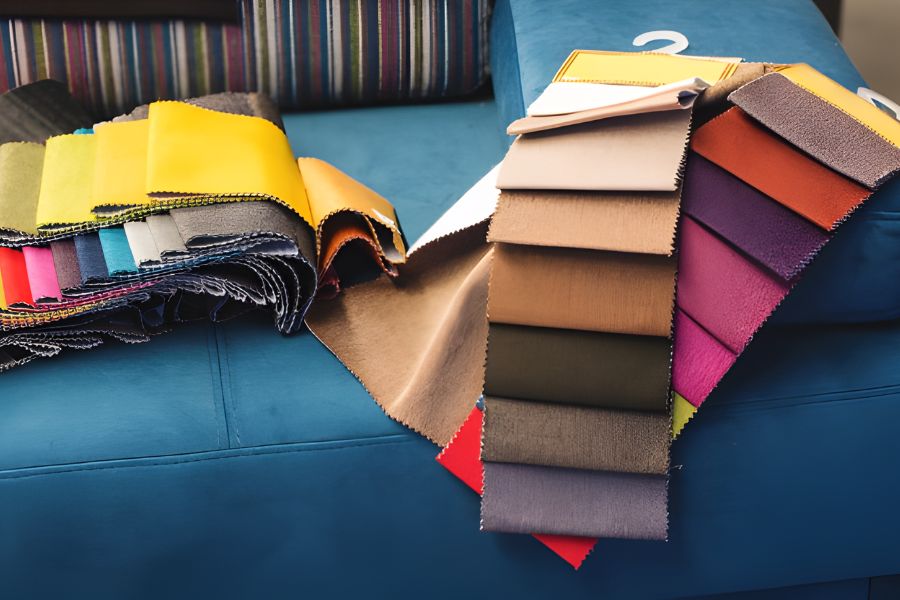
Upholstery and Curtains are evolving rapidly as the world of interior design continues to change, fabric is the most vital material in setting the look and feel of any space. Ranging from soft and minimal to bold and sustainable, 2025 is going to be a great year for upholstery and curtain fabrics. Be it an interior designer wanting to remain relevant, a retailer wanting to stock only the latest and greatest products, or even a homeowner wanting to refresh their decor, knowing the latest Upholstery and Curtains trends will keep you stylish, informed, and ahead of the curve. 1. Sustainable Fabrics Take the Lead In 2025, sustainability is not just a trend—it’s a movement. Consumers and designers are shifting towards eco-friendly fabrics that combine luxury with responsibility. Materials made from recycled polyester, organic cotton, and other renewable fibers are becoming top choices. These fabrics not only reduce environmental impact but also offer the same durability and comfort as traditional textiles. At Gaurika Fabrics, the sustainable collection reflects this growing demand—beautiful, long-lasting fabrics that support a greener future. 2. Textured Fabrics Are in Demand Smooth and flat finishes are giving way to rich, tactile surfaces. Bouclé, chenille, and faux linen fabrics are gaining immense popularity for upholstery and curtains. Their subtle textures add warmth and depth to interiors, making spaces feel cozy and inviting. Designers are using these fabrics to create statement sofas, elegant drapes, and even accent cushions that add a touch of luxury. 3. Nature-Inspired Tones and Patterns Neutral tones and earthy shades are dominating the color palette in 2025. Think of warm beige, olive green, terracotta, and muted blues—colors that bring calmness and balance to interiors. Alongside this, botanical and organic patterns inspired by nature are making a strong comeback. These prints work perfectly in both modern and classic interiors, adding character without overwhelming the space. 4. High-Performance Fabrics for Everyday Living The fabrics for the modern home and commercial places need to be trendy yet practical. High-performance fabrics that can resist stains, are water repellent, and even have fade-proof technology are quite vital. More so, these fabrics would provide ease of maintenance with no compromise on appeal in outdoor furniture or high-traffic areas inside. Gaurika Fabrics’ latest outdoor collection has been designed exactly for that-durable, yet beautiful materials that stand the test of time. 5. Soft Luxury with Velvet and Suede Velvet and suede continue to be symbols of sophistication in 2025. Their soft texture and elegant appearance make them ideal for accent chairs, headboards, and curtains. This year, lighter tones of velvet like dusty rose, champagne, and sage are trending, giving interiors a soft, romantic appeal while maintaining a premium feel. 6. Mix and Match Aesthetics Now, more than ever, designers are pushing the boundaries by mixing and matching different materials: textured fabrics against smooth finishes, bold patterns against subtle neutrals. It’s all about mixing and matching these days, with personalized interior spaces showing off your individual style. The trick is a balance that tries to combine different fabrics within one space without losing harmony. Final Thoughts 2025 is all about comfort, sustainability, and individuality in fabric design. Whether you’re decorating a cozy home or a modern commercial space, choosing the right fabric can completely transform your interiors. With the right mix of performance, texture, and color, your upholstery and curtains can bring life and elegance to any room. At Gaurika Fabrics, we’re proud to stay ahead of the trend with collections that blend beauty, durability, and innovation, helping you create timeless spaces that tell your story.