
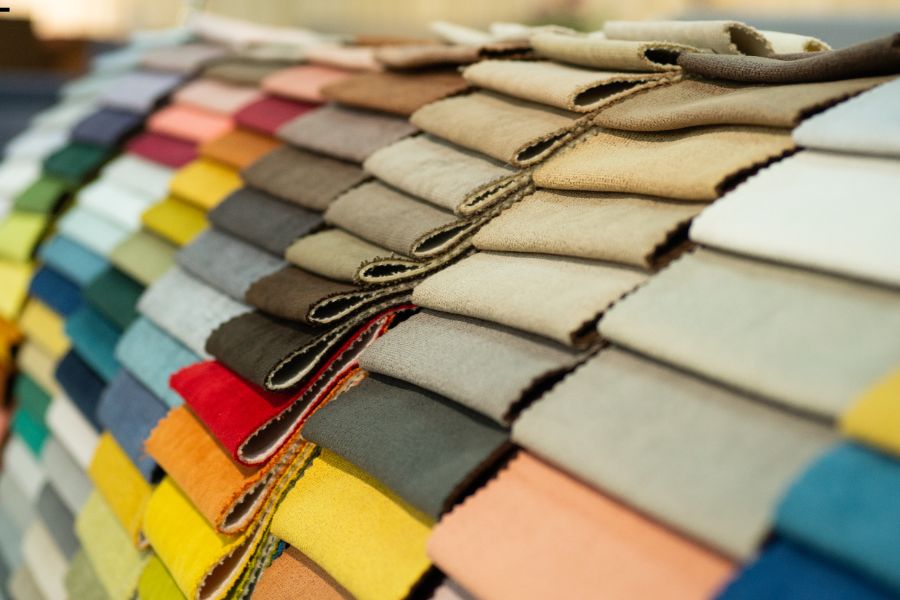
Fabric colour is one of the most influential factors in the textile and fashion business. Besides setting the look of the fabric, it also affects the decisions of buyers, brand identity, and the compatibility of the product with the user. If you happen to be a fashion designer, a garment manufacturer, or a fabric wholesaler, then it is indispensable for you to choose the right fabric colour to get the results you want. What Is Fabric Colour? Fabric colour is the indication that a material has been tinted or had a shade or tone put on it by finishing, dyeing, or printing. It can be any colour from soft pastels to loud and bright hues, depending on fabric, trends, and application requirements. Why Color Choice Matters in the Textile Industry The right textile colours can elevate the product’s value and make it more attractive to customers. It is an amazing tool for brands to gain recognition, keep up with the seasonal trends, and satisfy the demand of the market. As an example, neutral colours are mostly selected for uniforms and home textiles, while light colours are fashionable in fashion and festive wear. Key Factors That Influence Fabric Appearance Several factors influence how a fabric colour looks and performs: Popular Fabric Colour Trends Textile trends are different each season. Some of the trendy items are pieces in earthy tones, eco-friendly natural shades, and very light pastel colours, while classical colours like black, white, navy blue, and beige are still the most used ones by bulk fabric buyers. How to Select the Right Colours for Your Business In case you are choosing a colour for a wholesale or manufacturing business, it would be a good idea to first think of the target market, the end use, and the maintenance. Additionally, shade consistency and colour durability are especially important for large orders. Fabric Colour for Indoor, Outdoor & Sustainable Use Choosing fabric colours is also a matter of the fabric’s final use. Fabrics for inside use are generally more comfortable and visually more harmonious, hence neutral and pastel colours are most often chosen. Fabrics for outside need to have colours that are resistant to fading and stabilised under UV to be able to resist the sun and the weather. For environmentally friendly fabrics, naturally coloured and low-impact dyed fabrics are the most suitable as they retain the quality and durability while being eco-friendly. Colour Solutions by Gaurika Fabrics Gaurika Fabrics offers you a chance of selecting your fabric shade from a large range of pure cotton, polyester, and blended fabrics. We constantly strive to maintain uniform dyeing quality, colour fastness, and trend, consistent shades to meet the requirements of fashion brands, manufacturers, and wholesalers. Conclusion The fabric colour is not only a visual aspect, but it is a gauge of the quality, the functionality, and the brand value. By implementing the correct colours and reliable fabric suppliers, businesses can achieve better customer satisfaction and have long-term success. If you are looking for high-quality fabrics in a wide colour range, our team at Gaurika Fabrics is always here to help you with expert guidance and bulk sourcing solutions.