
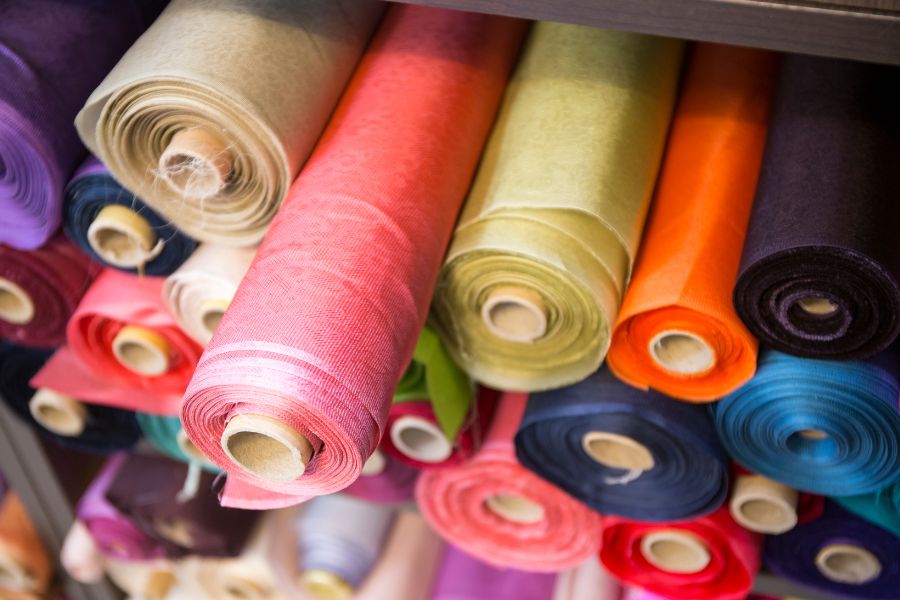
Upholstery fabric care plays a very crucial role in the interior of every house. They add style and comfort to your furniture, giving it personality. Starting from sofas and armchairs to cushions and headboards, upholstery fabrics face dust, stains, and wear and tear every day. Proper care and maintenance will help extend their life and keep them looking as good as new. In this article, you will learn about upholstery fabrics, the importance of their maintenance, and simple, practical tips to keep them in great condition for years. What are upholstery fabrics? Upholstery fabrics are materials used for covering furniture in the form of sofas, chairs, and cushions. Each of these fabrics exhibits different textures, strengths, and requirements for care. The most commonly used types of upholstery fabrics care tips include cotton, linen, velvet, polyester, leather, and microfiber. Each fabric has a certain appeal to it, be it the natural and breathable cotton and linen, or the richness of velvet, or strong and wash-and-wear polyester or microfiber. You need to know what kind of fabric you have so that the right cleaning method can be applied and damage averted. Why Upholstery Fabric Care is Important Caring for your upholstery fabrics goes beyond cleaning; it’s a way of protecting your furniture investment while offering a clean, healthy environment inside your home. The regular maintenance will prevent dust, allergens, and stains from building up and causing discomfort or making your furniture less attractive. Good maintenance will also save you money, as there is usually less need for frequent professional cleaning or early replacement. Indeed, clean, fresh upholstery means your home looks well-kept, adding to the general ambiance of comfort and hygiene. Common Upholstery Fabric Problems The following upholstery problems are very common in fabrics that are not maintained regularly: Fading caused by direct sunlight. Discolorations originating from foods, drinks, or oils. Dust and dirt accumulation. Pet hair, scratches, and smells. Pilling or surface wear from repeated use. Fortunately, with continued care and proper cleaning habits, these issues can easily be managed or avoided altogether. Easy Maintenance Tips for Upholstery Fabrics Upholstery should be vacuumed once a week as a rule, using the soft-brush attachment. It will remove dust, crumbs, and all other loose dirt that can gradually wear out the fibers. Give particular attention to seams, corners, and areas beneath cushions-those places where debris accumulates. Due to long periods of sitting in the same position, cushions will wear unevenly. Flipping and rotating them every couple of weeks will even out shapes and textures. This really simple step helps keep your furniture looking new and balanced. Spills happen. If something spills, get to it right away. Absorb as much of the liquid as possible by blotting with a clean, dry cloth. Avoid rubbing because that will only push the stain more deeply into the fabric. For stubborn marks, use a mild soap or upholstery cleaner recommended for the fabric you’re working with. Any cleaning product should be pre-tested in a very small, out-of-the-way area. Colors all have the tendency to fade because of sunlight exposure. Where possible, try to place furniture away from direct sunlight and draw curtains and blinds in peak UV hours. It is also a good idea to rotate furniture periodically so that it doesn’t fade unevenly. A good fabric protector spray gives your upholstery a really spill- and stain-resistant quality. It forms a protective layer on the material, which does not let the liquid set in. In particular, this works great for light-colored fabrics, fabrics in general, and dining chairs. Even with regular care, professional cleaning once or twice a year is recommended. Experts use specialized equipment and products to deep-clean without harming the fabric. This removes deep-seated dirt, odors, and allergens that regular cleaning can’t reach. If you have pets, use washable furniture covers or throws to minimize the fur and scratches. Regular brushing of your pet reduces their shedding and keeps your furniture cleaner for a longer period. Benefits of Regular Upholstery Maintenance The advantages of regular care for upholstery fabrics are many. Preserves the life of furniture. Keeps fabrics soft, fresh, and vibrant. Improves indoor air quality by reducing allergens. Maintains comfort and texture. Saves long-term cleaning and replacement costs. A clean piece of furniture in the house makes it look appealing and welcoming, as well as seeming well looked after. When to Seek Professional Help If there are deep stains, odors, or even visible damage in your upholstery, that might be the right time to hire an upholstery cleaner. They’ll have the proper equipment, detergents, and knowledge for the safe and efficient restoration of your fabrics. Conclusion Caring for your upholstery fabrics is not that complicated. You can take care of their beauty and comfort easily by regular cleaning, acting promptly on spills, and preventing damage, such as by using fabric protectors. Remember that proper care will not only keep your furniture looking new but will also ensure a healthier, pleasurable living space. A few minutes of regular maintenance will go a long way in preserving the quality and elegance of your home’s upholstery.